

Tips for a Successful Home Addition Project
- rezanour
- Jan 29
- 3 min read

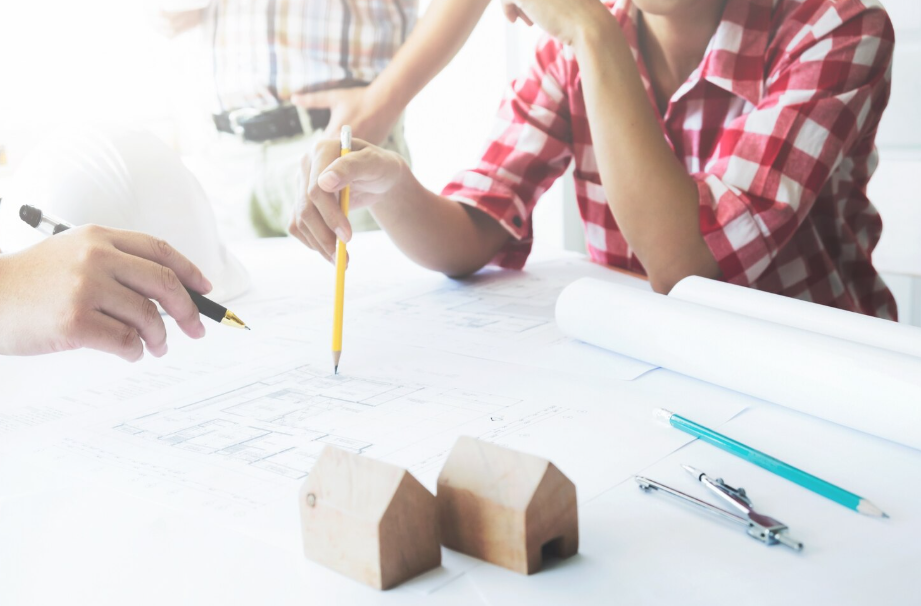
So, starting a home addition is exciting but also overwhelming if you think about everything that goes into it. You have to figure out budgets, contractors, materials, and timelines, and it can feel like decisions are coming at you from all directions. Honestly, having a reliable general contractor on your side makes a huge difference because otherwise, you might just spin your wheels. And even with someone helping, you’ll find yourself thinking about paint colors while trying to remember if the permits are ready. It’s a lot, but when it starts coming together, it’s thrilling in a weird way.
It’s not just about making things look nice either. You want the space to actually function the way you live every day, and sometimes the little details matter more than the big ones. Like, the flow of the rooms or how light hits a corner in the afternoon, it’s stuff you don’t think about until it matters. And that’s why planning carefully and talking through every step really helps.
Setting a Realistic Budget
Okay, so the first thing you need is a realistic budget. You can’t just guess and hope it works out. Look around, see what similar projects cost in your area, and be honest about what you can spend. Factor in materials, labor, permits, and a little extra for surprises, because there will be surprises. Trust me, something always comes up that you didn’t expect.
Sometimes it helps to talk to someone who’s done it before or even a professional to double-check your numbers. You want to know that you can actually finish the project without having to cut corners, because that’s frustrating. A good budget is like a safety net you can plan, tweak, and feel like you’re in control.
Hiring Reputable Contractors
Choosing contractors can feel intimidating. You don’t just want anyone showing up with tools, right? Take your time checking licenses, insurance, and previous work. Ask them about their process, timelines, and how they communicate, because that tells you a lot about what it’s like to work with them.
Having a clear contract helps, too, even if it feels formal. It’s worth it, honestly, because then everyone knows what’s expected. And yes, picking the right people can make or break the whole project, so don’t rush it.
Designing for Functionality and Aesthetics
When planning the design, think about how you’ll actually use the space. It’s easy to get carried away with looks, but functionality matters just as much. How does it flow from room to room? Where does the light come in? Little details like that make a huge difference in everyday life.
Try to match the new space with the existing home so it doesn’t feel awkward or out of place. Sometimes I even catch myself imagining how furniture will fit before the walls are even up. Picking colors, finishes, and materials that work together is part of making it feel natural, like it’s always belonged there.
Obtaining Necessary Permits and Approvals
Permits are annoying, but skipping them is worse. You need to follow local building codes and zoning rules or risk delays and fines. Research what’s required, submit your plans, and touch base with the office if anything seems unclear.
Yeah, inspections and approvals can be a hassle, but staying on top of them keeps the project moving. It might feel tedious, but getting it right upfront saves headaches later. And trust me, having all the paperwork done makes everything feel more real, like the project is actually happening.
Selecting Quality Materials
Materials really do matter, maybe more than you expect. You want things that last, that look good, and that actually function how you need them to. Think about wood, insulation, roofing, and interior finishes. Sometimes it’s worth spending a bit more to avoid constant repairs or issues down the road.
Talk to suppliers or your contractor if you’re unsure. Little things like hardware or finishes can change how the whole space feels. Quality materials make the addition feel solid and put together, not like an afterthought.
Managing Timelines and Expectations
Keeping the project on schedule is trickier than it sounds. Weather, deliveries, or unexpected problems can throw things off. You need to check in often, communicate openly, and adjust when you have to.
And be honest with yourself about what’s realistic. Some things take longer than expected, and that’s okay. The goal is to stay on track without getting frustrated and to enjoy seeing the addition slowly take shape. Watching the project move forward, even if a bit messy, is kind of rewarding in a way you don’t get from just buying a house.
Related Topics:


Comments